Supported Independent Living vs SDA: Key Differences Explained
Confused about Supported Independent Living vs SDA? Learn the difference between SIL and SDA, eligibility, funding, and NDIS accommodation options in Shepparton.
Choosing the right NDIS support option can sometimes feel confusing, especially when terms like Supported Independent Living (SIL) and Specialist Disability Accommodation (SDA) are used together.
Many NDIS participants and their families assume SIL and SDA are the same thing because both relate to independent living and disability accommodation. However, they provide different types of support.
The simple difference: SDA is about the home you live in, while SIL is about the support you receive while living there.
Understanding how these two NDIS supports work can help you make better decisions about your living arrangements, funding, and future independence. For participants looking for Supported Independent Living in Shepparton, knowing the difference between SIL and SDA is an important first step.
What Is Supported Independent Living (SIL)?
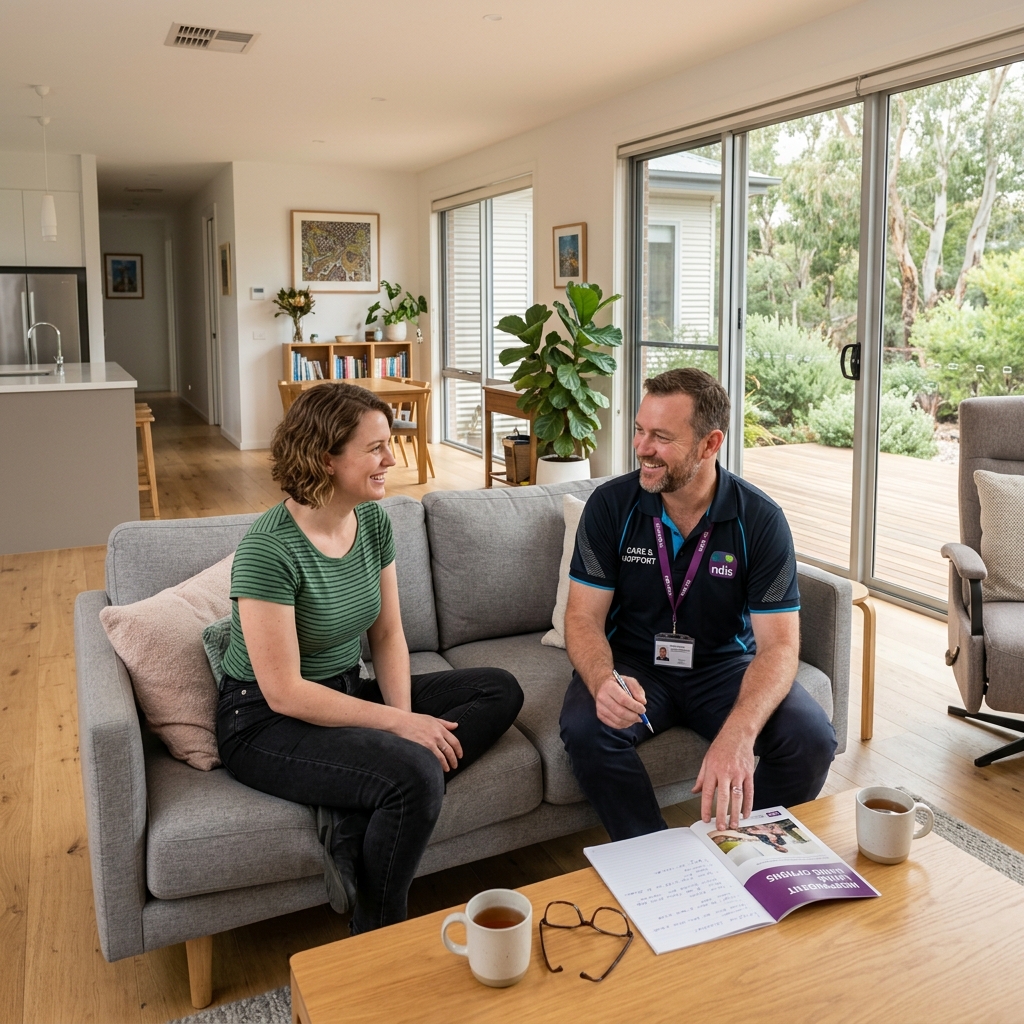
Supported Independent Living (SIL) is an NDIS support designed for people with disability who need assistance with everyday activities while living as independently as possible.
SIL focuses on the support services provided to a participant, rather than the physical home itself. The purpose of SIL is to help people develop independence, build daily living skills, and receive the right level of assistance to manage life comfortably.
A SIL support worker may assist with:
- Personal care and hygiene
- Preparing meals
- Managing household tasks
- Medication support
- Cleaning and laundry
- Building daily routines
- Community participation
- Developing independent living skills
- Accessing appointments and activities
For example, a participant may live in a shared home with other residents and receive support from trained support workers based on their individual needs. The amount of support depends on the participant's NDIS plan and personal circumstances. Some people may need a few hours of support each day, while others may require more regular assistance.
What Is Specialist Disability Accommodation (SDA)?
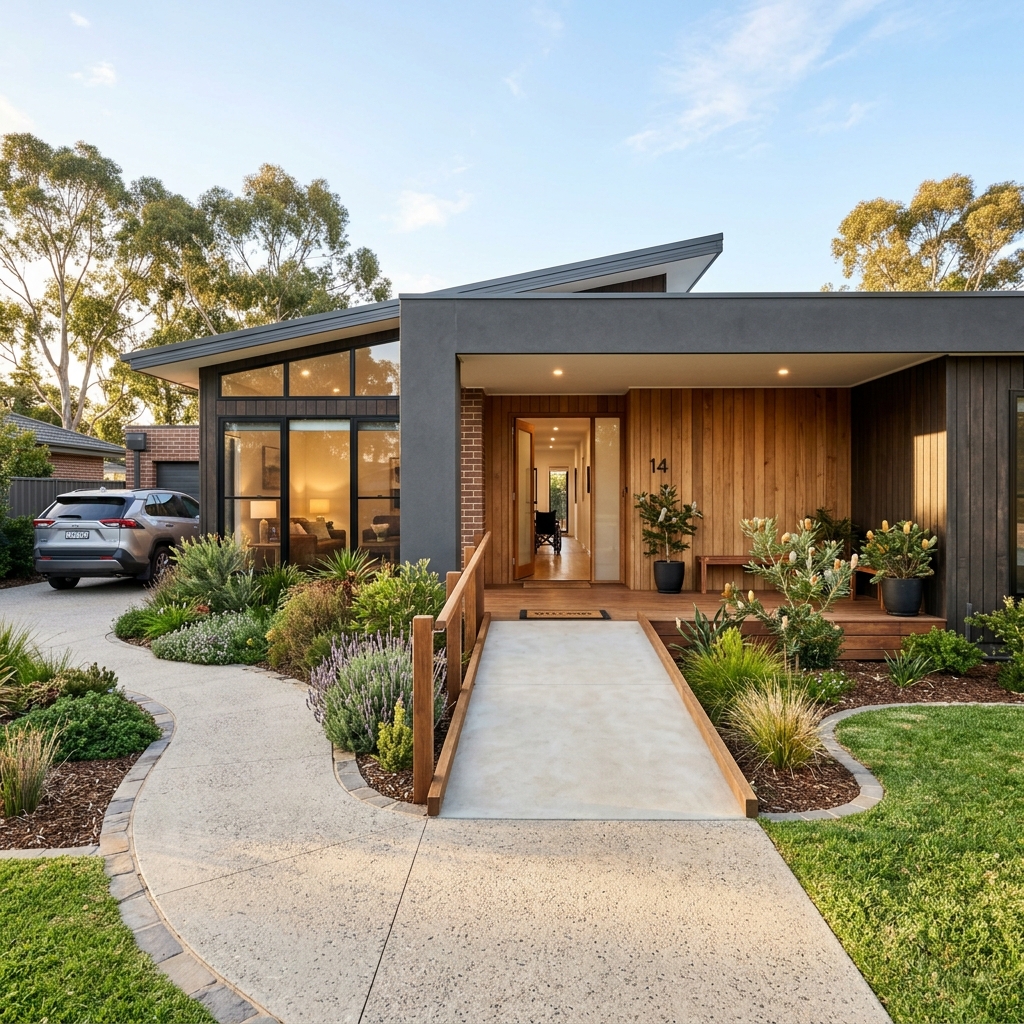
Specialist Disability Accommodation (SDA) refers to specially designed housing for people with extreme functional impairment or very high support needs. Unlike SIL, SDA focuses on the design and features of the accommodation itself.
SDA homes are built with accessibility requirements that make daily living safer and easier, such as:
- Wider doorways for wheelchair access
- Accessible bathrooms and kitchen facilities
- Improved safety features
- Automated doors and assistive technology systems
- Emergency response features
- Improved mobility access and specialist building designs
SDA funding helps cover the cost of the specialised housing, while the participant usually pays their rent or personal living expenses separately. Not everyone who receives NDIS funding is eligible for SDA. Eligibility depends on the participant's functional needs and circumstances.
SIL vs SDA: Key Differences Explained
Understanding the difference becomes easier when we compare their core purpose:
| Feature | Supported Independent Living (SIL) | Specialist Disability Accommodation (SDA) |
|---|---|---|
| Main Purpose | Provides daily support services | Provides specialised housing |
| Primary Focus | Person's support needs & skills | Property design & accessibility |
| Covers | Assistance with daily living activities | Cost of specialised accommodation |
| Eligibility | Participants needing regular daily support | Extreme functional impairment or high support needs |
| NDIS Funding Category | Core Supports | Capital Supports |
| Can Exist Separately? | Yes | Yes |
Can You Have SIL Without SDA?
Yes. Many people receive SIL support without SDA funding. For example, a participant may live in a standard accessible home or shared accommodation and receive daily assistance from support workers. Their NDIS funding covers the support they receive, but the property itself is not funded as SDA. This is common for many people who require help with daily activities but do not meet SDA eligibility requirements.
Can You Have SDA Without SIL?
Yes, but it depends on individual circumstances. A person may live in an SDA property but arrange their own support services separately. For example, someone living in specialist housing may receive individual support workers, family support, or other NDIS-funded services. SDA provides the suitable living environment, while other supports help the person manage daily life.
Who Is Eligible for Supported Independent Living?
SIL is generally suitable for NDIS participants who need regular assistance to live independently. A person may benefit from SIL if they need help with everyday household activities, personal care, managing routines, safety at home, building independence, and accessing the community.
The NDIS considers factors such as current living situation, support requirements, goals in the NDIS plan, and ability to complete daily activities independently. A SIL provider works with the participant to understand their needs and create a support approach that matches their goals.
Who Is Eligible for SDA?
SDA is designed for people with significant support requirements. A participant may be considered for SDA if they have extreme functional impairment, very high support needs, or a requirement for specialised housing features.
The NDIS looks at whether standard housing options can meet the person's disability-related needs. SDA is not based only on diagnosis; the focus is on how a person's disability affects their ability to live safely and independently.
SIL vs SDA Example: Understanding the Difference
Example 1: SIL Support
John lives in a shared home in Shepparton. He can move around independently but needs help with cooking meals, cleaning, managing appointments, and building daily routines.
Outcome: John benefits from SIL because he needs ongoing support to manage daily life.
Example 2: SDA Housing
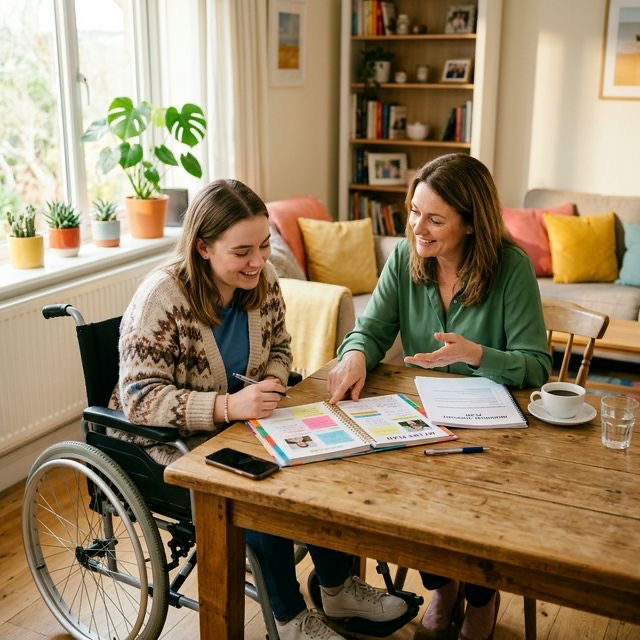
Sarah uses a wheelchair and requires a home designed with specific accessibility features such as wheelchair-friendly design, accessible bathroom facilities, and special modifications.
Outcome: Sarah qualifies for SDA because she requires specialised housing features.
Do SIL and SDA Work Together?
Yes. In many cases, SIL and SDA work together to support people with higher needs. For example, a participant may live in an SDA-approved home because they require specialised housing features, while also receiving SIL support for daily activities. Together, SDA provides the right home, and SIL provides the right support.
Choosing the Right Option in Shepparton
For families and NDIS participants in Shepparton, choosing between SIL and SDA depends on individual needs. Important questions to consider include:
- What level of daily support is required?
- Does the current home meet accessibility needs?
- Is independence a major goal?
- Are specialised housing features needed?
- What funding is included in the NDIS plan?
How Bright Support Helps With SIL Services in Shepparton
At Bright Support, we provide personalised NDIS support designed around individual goals, encouraging confidence, independence, and meaningful daily experiences.
Speak With Our Shepparton TeamFrequently Asked Questions (FAQs)
Here are answers to common questions about NDIS plans and support in Shepparton:
Related Services
NDIS Support Team
NDIS Support Team | Bright Support Shepparton
Dedicated to providing person-first, empowering NDIS support services across the Greater Shepparton region.
Ready to Get Started?
Contact our team in Shepparton for personalised NDIS support tailored to your needs.